Chao zhou jian zhi, papercutting
Mostly for dressing offerings and for window flowers; the people who cut it were, in the old days, often monastics.
Pronunciation cháo zhōu jiǎn zhǐ|Craft and performance|One entry in the Chaoshan glossary
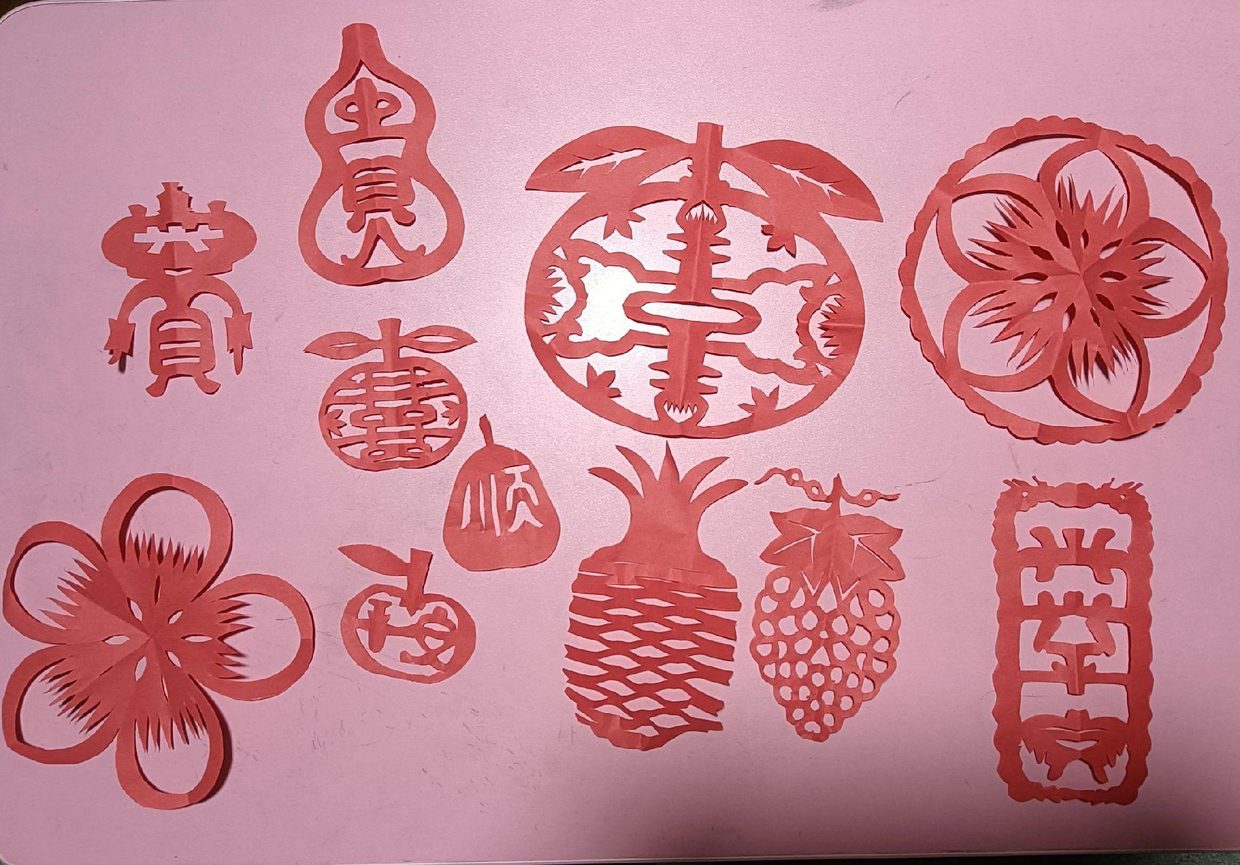
What it means
Widespread in the Ming and flourishing in the Qing. Through the middle of the Qing it grew quickly on the offerings of the convents, and under the Guangxu reign it was at its height; the cutters were largely monastics, and that fact fixed both its subjects and its uses — dressing offerings, window flowers, a backing for gifts.
The work is cut rather than carved, though carving is used too. Thin paper, a keen blade, a dense pattern: what matters is that the line does not break.
When you see it
At the new year, at ancestral sacrifices, at weddings. In 2006 it entered the first national list of intangible heritage, category traditional fine art, under the name Guangdong papercutting, with Chaozhou one of the registering areas.
Words easily confused
Calling it Chaozhou papercutting locally is fine, but write it in a formal citation as a first-list national item and the list will not yield it: the project name there is Guangdong papercutting.
Read next: Chaozhou papercutting: the scissors kept in the convent.
Same group: the flower lantern, Dawu clay figures, Chao embroidery.
Home › Glossary › Craft and performance › Papercutting
Text on this site is CC BY-SA 4.0; copyright in images is reserved and commercial use requires a separate licence.
Last revised: 3 November 2026