Lantern Festival and the god processions
The fifteenth of the first month is called Shangyuan in the prefectural gazetteer: lantern trees are set up, women cross bridges and throw stones, children swing and sing in contest. In Chaoshan today the centrepiece of the first month is ying laoye — carrying the god images round the parish bounds.

1. What the gazetteer records
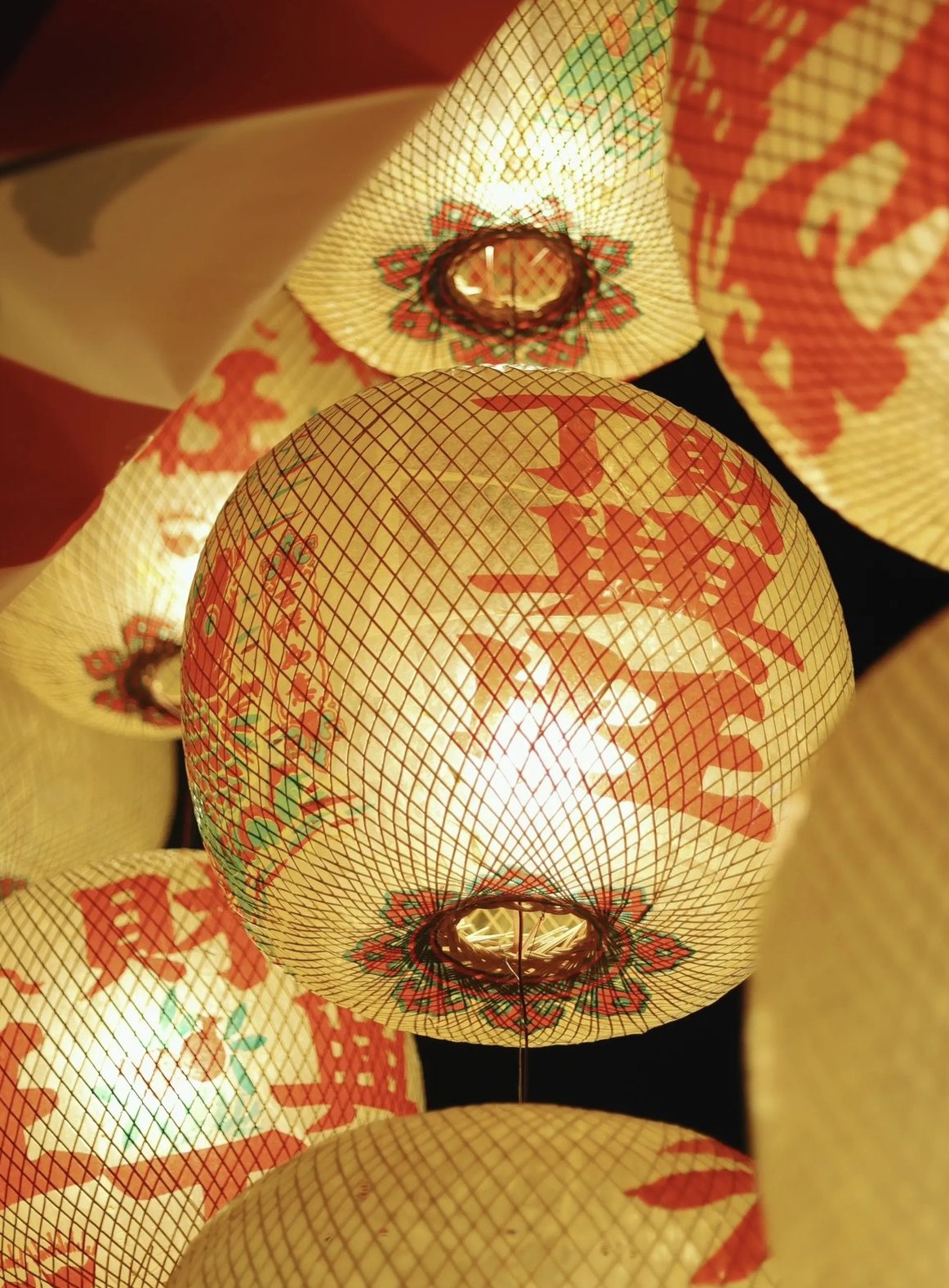
At Shangyuan, lantern trees with coloured flowers are set up, seven or eight feet tall. Women cross bridges and throw stones, which is called passing through misfortune. Some go off together arm in arm, which is called “suited to the livestock”. Children play on swings and compete at she songs; the better ones win.
From Gujin tushu jicheng, Chaozhou prefecture section, quoting the prefectural gazetteer (customs chapter of the Qianlong Chaozhou fuzhi). Punctuation added here.
2. Old record and present practice
“Crossing bridges and throwing stones, called passing through misfortune” is the most concrete stroke in the gazetteer: crossing a bridge, throwing a stone, meaning to dispel calamity. That part is rarely seen now. What has taken its place is ying laoye — the images carried out of their halls and round the parish, through streets and lanes, on dates that differ from village to village and run from the first of the first month to the end of the second.
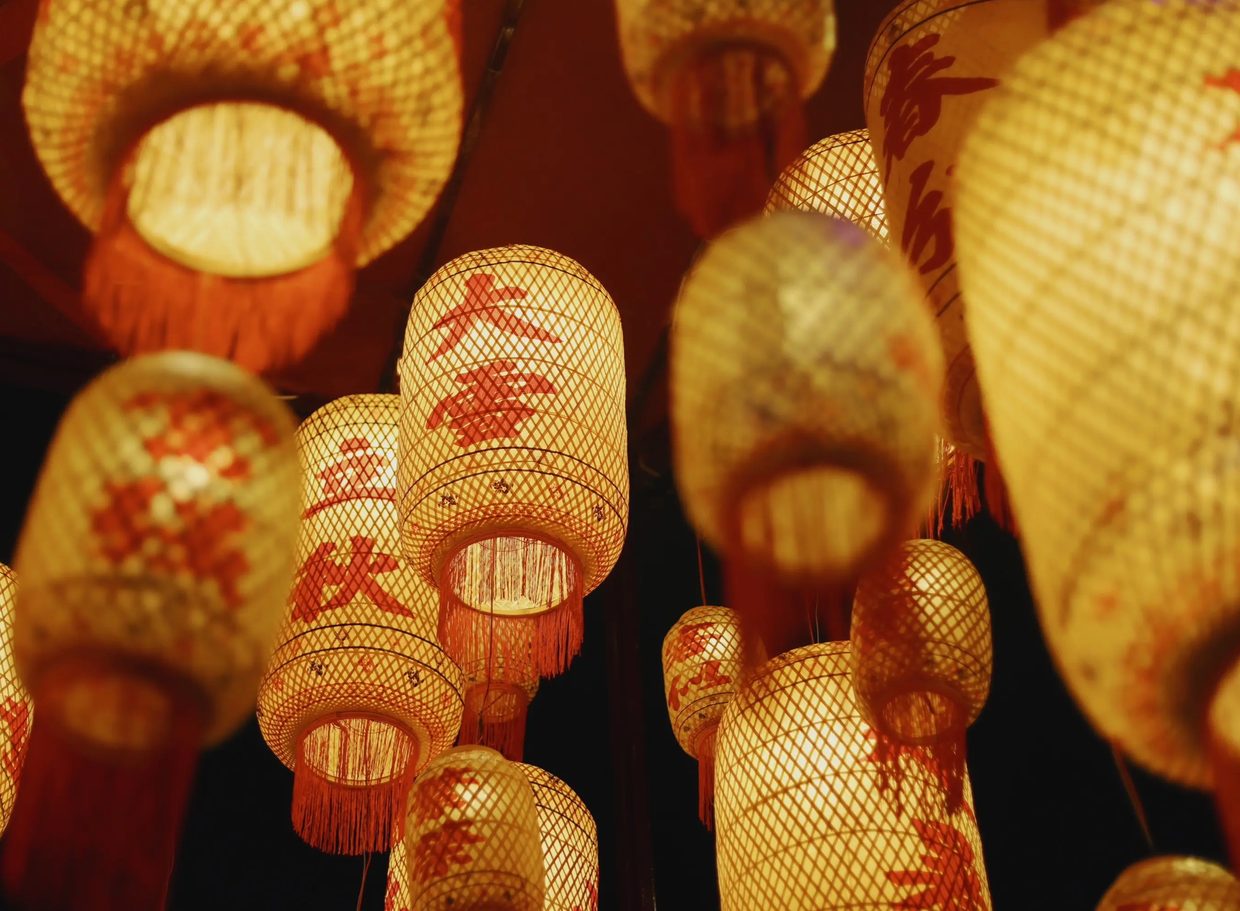
The “she song contests” were singing competitions, also rarely seen now. The lantern trees have become lantern sheds and decorated lanterns — the form survives.
3. Differences between counties
The gazetteer covers the prefectural city and its neighbourhood only. In the seven counties the dates, offerings and rites differ from village to village: the processions run from the first of the first month to the end of the second, each village on its own “village day”. For the dates and routes see the procession calendar.
4. Calendar anchor
The solar terms, lunar phases and lunar dates referred to in this section can be checked on the corresponding pages at Kuang Chujia’s research site on historical astronomy and calendars. That the timing of a custom is never cut loose from the calendar is a standing rule on this site.
Sources
Gujin tushu jicheng, Chaozhou prefecture section, quoting the prefectural gazetteer; the Qianlong Chaozhou fuzhi (compiled by Zhou Shuoxun, completed in the twenty-seventh year of Qianlong), customs chapter. Accessed 18 October 2026.
For the exact days of the processions in each village, their Gregorian equivalents and travel notes, see the procession calendar; each of the twenty dates has a page of its own.
Before Shangyuan comes New Year’s Day, and before that New Year’s Eve: New Year’s Eve, Spring Festival customs. For the order of the year and the county-level picture, see The ritual year.
Home › Customs › The ritual year › Lantern Festival and the god processions
Last revised: 3 November 2026